
What is a Sensory Friendly Performance?

Sensory-friendly performances are designed to create a welcoming environment for families with children who are on the autism spectrum or may have sensory sensitivities. They are also for anyone who may benefit from being in a more relaxed environment.

For parents of children with sensory sensitivities, planning comfortable theatre experiences may be daunting. While many seasoned theatre goers are familiar with venue accessibility as far as wheelchair-friendly accommodations and adaptations for those with sight or vision impairments, modifications for visitors with autism or other disabilities that create sensory needs is a more recent development.

People with sensory sensitivity may experience sensory overload.  This occurs when one or more of the senses receive too much stimulation typically from one's surrounding environment.  Performances are inherently sensory-rich, so people who experience sensory overload are more likely to feel uncomfortable or in distress during a performance.  Our goal is to create an enjoyable environment for patrons with sensory needs by implementing simple changes such as preparing the individual for what to expect during a performance, reducing the amount of sensory stimulation, and relaxing certain expectations or rules, such as not talking during a performance, and having to stay seated.
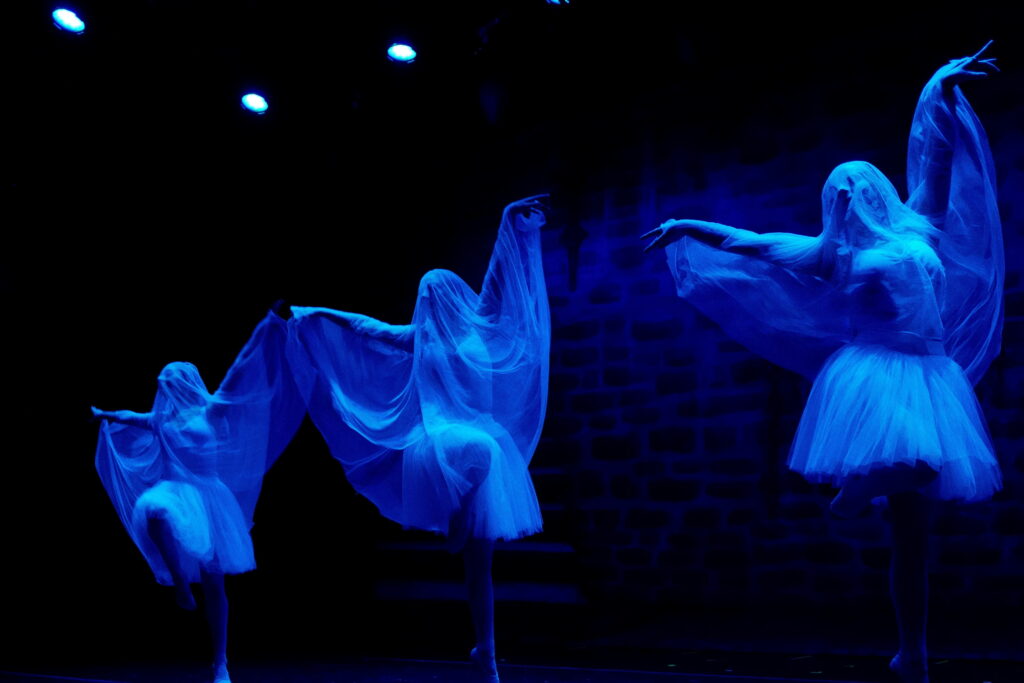
What Makes a Performance Sensory Friendly?

Eastern Connecticut Ballet's sensory friendly performances offer accommodations, striving to provide an environment that is nonjudgmental and supportive, coupled with performance modifications and changes in behavioral expectations. Patrons may freely respond to shows in their own way and without judgment, and are welcome to do things like sing or dance.

Modifications help to provide a comfortable environment:

Technical Accommodations During the Performance

-House lights left on low throughout the duration of the performance
-Reduced volume/sound
-Omission of sudden loud noises
-Elimination of startling special effects

Relaxed Theater Rules

-Freedom to enter and exit the theater at any time
-Quiet spaces in and around the theater
-Patrons may respond freely throughout the performance
-Families may bring snacks, toys, fidgets, and comfort items into the theater
-Patrons may wear noise cancelling headphones or earbuds

Social Narrative

Social narratives are simple stories that visually represent social situations and appropriate social behaviors. The social narrative connects the important details of a setting or social situation to support the understanding of social context and the development of a new social skill.

Please download this pdf to share in preparation for the performance: Ballet Spooktacular Social Narrative PDF

Other

Specially trained staff, dancers, ushers, and volunteers are on-hand at these performances, and a social narrative will be available so audience members will know what to expect prior to their trip to the theater!